



Enema — "Internal Cleansing for Better Gut Wellness"
An enema is a natural colon-cleansing method that helps support digestion, detoxification, and overall gut health. Commonly used in SSKNDS, it promotes lightness, energy, and improved internal hygiene.
Internal Cleansing of the Intestine
Since birth, we've consumed a wide variety of foods, many of which are challenging to digest fully. Over time, undigested food particles can accumulate along the intestinal walls, contributing to a feeling of heaviness and sluggish digestion.
An enema is a simple way to flush this waste out. By cleansing the intestines with water, an enema helps to:
- Clear waste residue from the lower colon
- Support more regular, comfortable digestion
- Leave you feeling lighter and less bloated
Once the colon is clear, many people feel lighter and more energetic. This is a traditional wellness practice, not a medical treatment — it isn't a substitute for seeing a doctor if you're unwell.
Maintain Proper Hygiene
Always wash your hands and the catheter thoroughly with soap and clean water — before and after each enema session — to prevent any risk of infection.
Use Only Plain Water
Use only plain, room-temperature water for safe and effective cleansing.
When to Do an Enema?
A commonly followed routine looks like this. Treat it as a starting point rather than a strict rule, and ease off if anything feels uncomfortable.
Up to twice daily — once in the morning and once at night. Each session should involve 1–2 repetitions using a total of 1500 ml of water. Changing position can help the water reach further:
Once a day is plenty for most people who are otherwise well. Some prefer mornings only, and increase frequency slowly if it suits them.
Best Timing for an Enema
You can take an enema at any time of the day, whenever you are free and comfortable. However, for the best results, the following timings are recommended:
First Enema — Morning
Ideally taken after your morning bowel movement.
Second Enema — Evening
Preferably done at night, just before going to bed.
Who Can Do an Enema?
This is best suited to healthy adults. Age and health status change how safe and comfortable this is, so please take the notes below seriously:
Not recommended for infants or young children without direct medical supervision — their fluid and electrolyte balance is far more fragile, and a home enema can be genuinely risky for them. Anyone managing an illness, or who is pregnant, should check with a doctor before adding this to a routine.
How to Do an Enema — Step-by-Step Guide
Choose a Comfortable Place
Use a clean, private area — ideally a bathroom — with enough space to lie down.
Set Up the Enema Pot
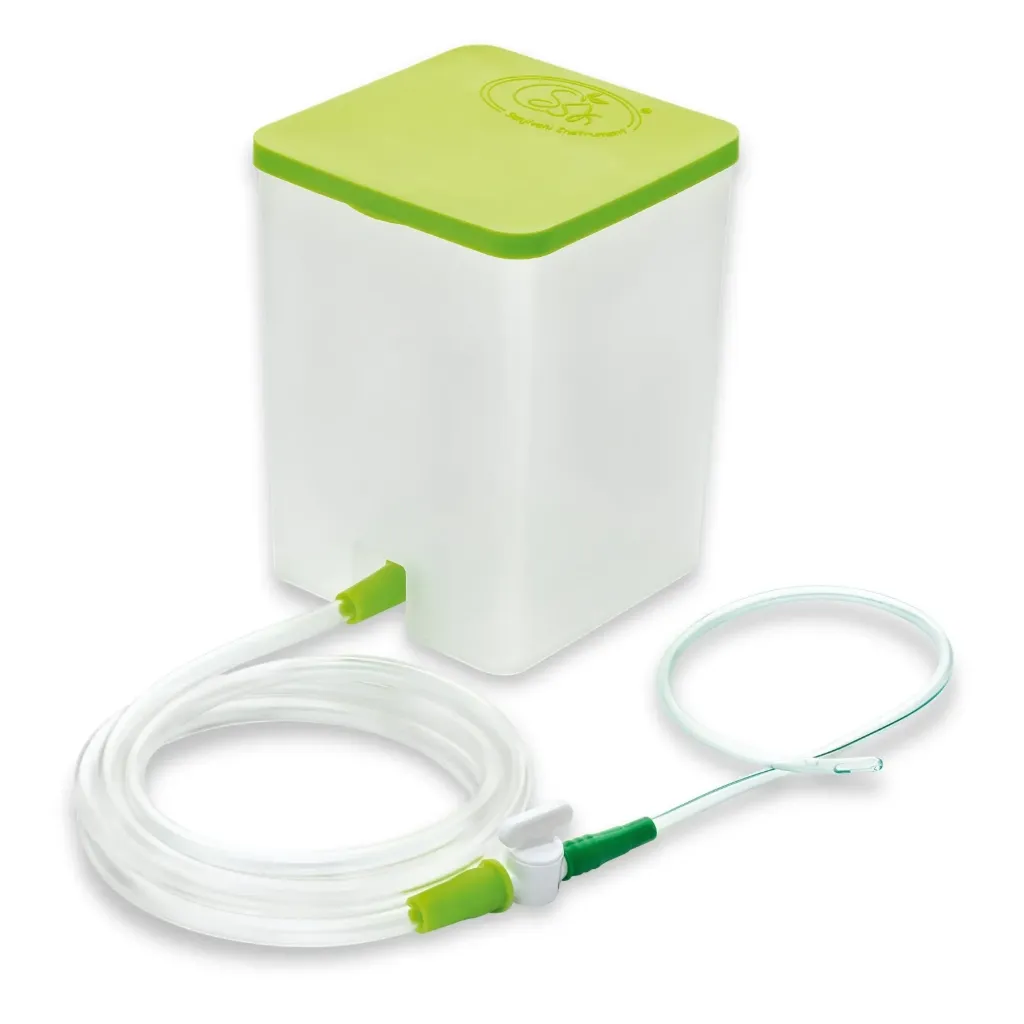
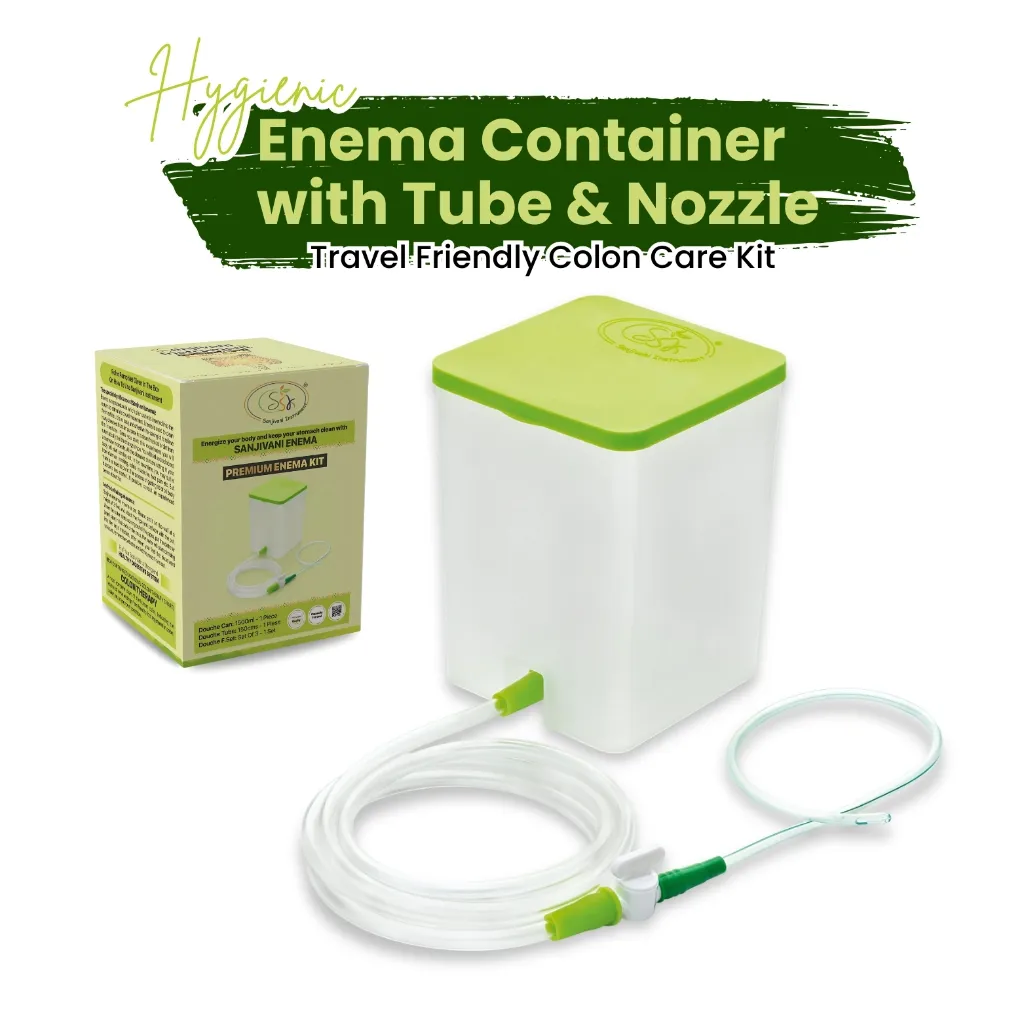
Hang the pot about 3 to 4 feet above the ground to allow water to flow by gravity.
Check Tubing & Valve
Attach the catheter with valve, fill with about 1.5L of plain water, and let air escape from the tube first.
Insert the Catheter
Gently insert the catheter tip 2–3 inches (5–7 cm), then open the valve slowly.
Lie Down Properly
Lie face down (on your stomach) while water enters. Stay until the pot is empty.
Remove the Catheter
Close the valve, remove gently, and hold the water a few minutes to soften stool.
Empty Your Bowels
When the urge builds, go to the toilet and release naturally. Be patient — it can take a few minutes.
Give It Time
If nothing happens right away, that's normal — most people settle into the routine within a week.


Get Started with Enema Today for a Cleaner, Healthier Colon
Begin your journey toward better digestion, cleansing today, and feel the difference from within.
Enema — "Internal Cleansing for Better Gut Wellness"
An enema is a natural colon-cleansing method that helps support digestion, detoxification, and overall gut health. Commonly used in SSKNDS, it promotes lightness, energy, and improved internal hygiene.
Internal Cleansing of the Intestine
Since birth, we've consumed a wide variety of foods, many of which are challenging to digest fully. Over time, undigested food particles can accumulate along the intestinal walls, contributing to a feeling of heaviness and sluggish digestion.
An enema is a simple way to flush this waste out. By cleansing the intestines with water, an enema helps to:
- Clear waste residue from the lower colon
- Support more regular, comfortable digestion
- Leave you feeling lighter and less bloated
Once the colon is clear, many people feel lighter and more energetic. This is a traditional wellness practice, not a medical treatment — it isn't a substitute for seeing a doctor if you're unwell.
Maintain Proper Hygiene
Always wash your hands and the catheter thoroughly with soap and clean water — before and after each enema session — to prevent any risk of infection.
Use Only Plain Water
Use only plain, room-temperature water for safe and effective cleansing.
When to Do an Enema?
A commonly followed routine looks like this. Treat it as a starting point rather than a strict rule, and ease off if anything feels uncomfortable.
Up to twice daily — once in the morning and once at night. Each session should involve 1–2 repetitions using a total of 1500 ml of water. Changing position can help the water reach further:
Once a day is plenty for most people who are otherwise well. Some prefer mornings only, and increase frequency slowly if it suits them.
Best Timing for an Enema
You can take an enema at any time of the day, whenever you are free and comfortable. However, for the best results, the following timings are recommended:
First Enema — Morning
Ideally taken after your morning bowel movement.
Second Enema — Evening
Preferably done at night, just before going to bed.
Who Can Do an Enema?
This is best suited to healthy adults. Age and health status change how safe and comfortable this is, so please take the notes below seriously:
Not recommended for infants or young children without direct medical supervision — their fluid and electrolyte balance is far more fragile, and a home enema can be genuinely risky for them. Anyone managing an illness, or who is pregnant, should check with a doctor before adding this to a routine.
How to Do an Enema — Step-by-Step Guide
Choose a Comfortable Place
Use a clean, private area — ideally a bathroom — with enough space to lie down.
Set Up the Enema Pot
Hang the pot about 3 to 4 feet above the ground to allow water to flow by gravity.
Check Tubing & Valve
Attach the catheter with valve, fill with about 1.5L of plain water, and let air escape from the tube first.
Insert the Catheter
Gently insert the catheter tip 2–3 inches (5–7 cm), then open the valve slowly.
Lie Down Properly
Lie face down (on your stomach) while water enters. Stay until the pot is empty.
Remove the Catheter
Close the valve, remove gently, and hold the water a few minutes to soften stool.
Empty Your Bowels
When the urge builds, go to the toilet and release naturally. Be patient — it can take a few minutes.
Give It Time
If nothing happens right away, that's normal — most people settle into the routine within a week.
Get Started with Enema Today for a Cleaner, Healthier Colon
Begin your journey toward better digestion, cleansing today, and feel the difference from within.
Alternative Products
Enhance your healthy lifestyle with these suggested products.